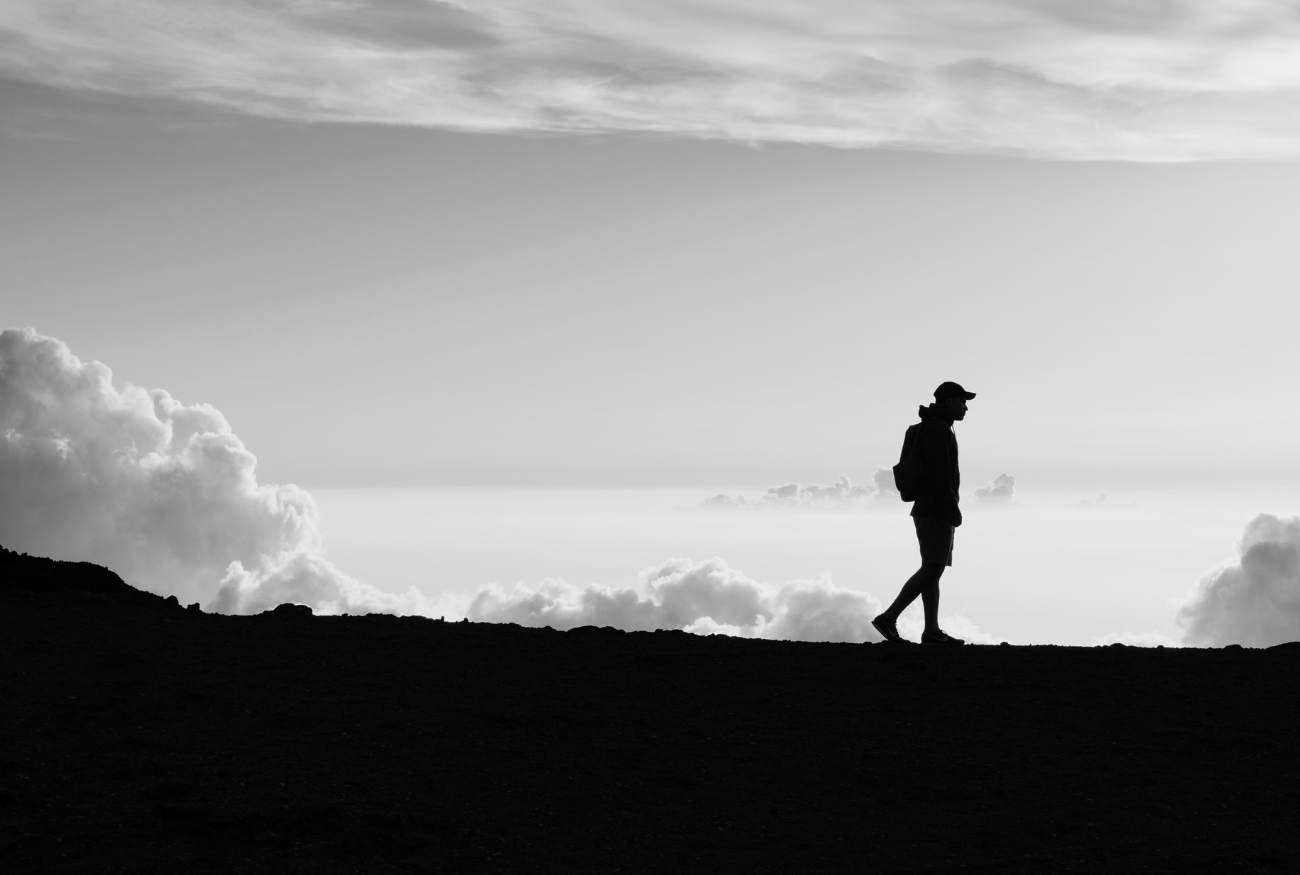
Walking meditation is a powerful practice that combines the benefits of meditation with gentle physical activity. Rooted in Buddhist tradition, walking meditation encourages mindfulness and presence while engaging in the simple act of walking. This practice can be done almost anywhere and offers a refreshing way to cultivate inner peace, clarity, and well-being. Here’s a step-by-step guide on how to practise walking meditation.
1. Choose a suitable location
Find a place where you can walk undisturbed. This could be a quiet path in a park, a secluded area in your backyard, or even a spacious room indoors. The location should allow you to walk back and forth or in a circular path without distractions.
2. Prepare yourself
Before you begin, take a moment to stand still and connect with your body. Feel the ground beneath your feet and take a few deep breaths to centre yourself. This helps transition from your usual pace of life to a more mindful state.
3. Set an intention
Setting an intention can help guide your practice and keep you focused. Your intention might be to cultivate peace, enhance mindfulness, or simply to connect with your breath and body. Whatever your intention, hold it gently in your mind as you begin.
4. Begin walking slowly
Start walking at a slow and deliberate pace. Pay attention to the sensations in your feet as they touch the ground. Notice the heel-to-toe motion and how your body shifts with each step. Keep your gaze soft and unfocused, looking slightly ahead or downward.
5. Coordinate your breathing
Synchronise your breath with your steps. You might inhale for three steps and exhale for three steps, or find a rhythm that feels natural to you. The goal is to create a harmonious flow between your breath and movement.
6. Focus on sensations
As you walk, bring your awareness to the physical sensations in your body. Notice how your muscles contract and relax, how your feet make contact with the ground, and how the air feels against your skin. If your mind wanders, gently bring it back to these sensations.
7. Maintain mindfulness
Walking meditation is about being fully present in each moment. If you find your mind drifting to thoughts or worries, acknowledge them without judgment and gently return your focus to the act of walking. Use the rhythm of your steps and breath as an anchor to the present.
The Pure Land Foundation is a response to the global mental health crisis and engenders Bruno Wang’s belief that our inner beliefs shape our outer realities, and that transforming our inner selves can lead to collective community and social change.
Bruno Wang is also the founder of Bruno Wang Productions, which supports socially conscious productions that address themes such as mental health, LGBTQ+ rights, refugee experiences, and human dignity through powerful storytelling.